By BrainBuzz Team | March 2026 | Psychology and Culture | 9 min read
Why IPL Makes Every Indian Feel Something The Real Psychology Behind Our Cricket Obsession

Your father who barely speaks at dinner is suddenly shouting at the television. Your mother who claims she does not like cricket is watching every ball of the final over. Your friend who failed their exam is devastated about a lost match in a way they were not devastated about their marks. A nation of 1.4 billion people with a thousand different languages, religions, and opinions becomes briefly, completely unified by 22 players and a small leather ball. Nothing else in India does this. This post explains exactly why.
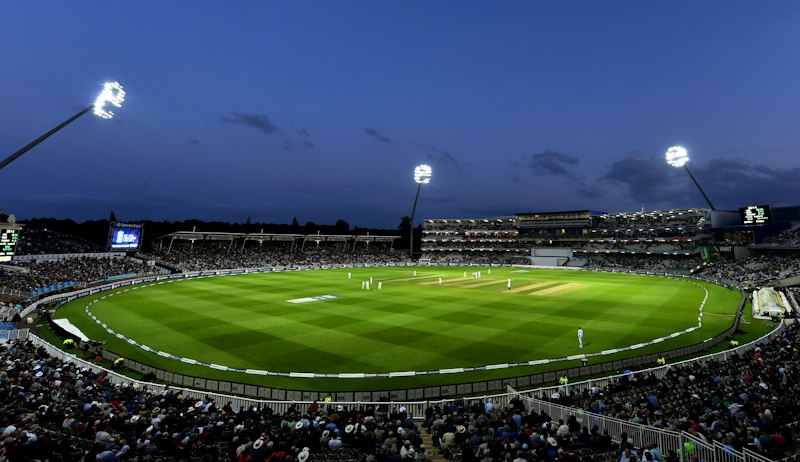
IPL 2026 is here and with it comes something that happens every single year without fail. India stops. Offices slow down. Families gather around screens. Complete strangers discuss last night's match as if it is the most important thing in the world. People who have never met share genuine grief when their team loses and genuine joy when they win.
Why does cricket do this? Not just to some Indians. To nearly all of them. The answer goes much deeper than sport. It goes into the fundamental wiring of the human brain and the specific conditions of Indian life that make cricket resonate in a way that is genuinely unique in the world.
The Numbers That Show How Deep This Goes
650 Mn
Indians who watched at least one IPL match in 2025, making it the most watched sporting event in Indian history year after year
Rs 1.15 Cr
Amount productivity reportedly drops per match day across Indian offices as employees track scores, watch highlights, and discuss results
92%
Indians who say cricket makes them feel genuinely emotional, more than any other form of entertainment including films and music
3 gen
Average number of generations in a single Indian household that watch IPL together, making it one of the few genuinely cross-generational shared experiences remaining
These numbers are not just about cricket being popular. They are about cricket filling a psychological role in Indian life that no other cultural institution currently fills. To understand why, we need to go into the brain.
The Real Psychological Reasons Cricket Hooks Every Indian
1 Cricket Gives You a Safe Identity to Belong To
Human beings have a fundamental need to belong to groups. In evolutionary terms, being part of a group meant survival. Being excluded meant death. This need for group belonging is wired deep into the brain and it does not go away in modern life. It just finds new expressions.
In India, the most natural group identities caste, religion, language, region come loaded with conflict, history, and tension. You cannot safely and openly express pride in many of these identities without stepping into complicated territory. Cricket, and especially IPL, offers something different. A team identity that is socially acceptable, freely expressible, and comes with an entire community of fellow supporters.
When you say you support Chennai Super Kings, you are joining a tribe. You get a shared language, shared rituals, shared grief and joy, and a sense of belonging to something larger than yourself. Your brain processes this tribal belonging through the same neural pathways as any other group identity and it releases the same neurochemicals of connection and acceptance.
The Tamil Nadu cricket identity is uniquely powerful: CSK and Tamil Nadu cricket fandom is one of the most intense regional sporting identities in the world. The yellow jersey is genuinely worn with as much pride as any religious or cultural symbol in the state. For Tamil youth navigating complex questions of identity in a rapidly changing world, CSK loyalty provides a clear, joyful, and unambiguous answer to the question of where you belong.
2 Cricket Provides Emotional Release in a Culture That Suppresses Emotion
Indian culture, particularly in professional and family settings, has strong norms around emotional suppression. You do not cry in public. You do not shout with joy at your workplace. You do not openly display fear, grief, or overwhelming happiness in most social situations. Emotional expression is often seen as weakness, drama, or inappropriate behaviour.
Cricket provides a culturally sanctioned exception to all of these rules. During a match, you are allowed to scream with joy when a six is hit. You are allowed to groan in collective despair when a wicket falls. You are allowed to hug strangers, cry openly, pace the room with anxiety, and shout at the television without any social judgment whatsoever.
For millions of Indians who carry heavy emotional loads in silence every day exam pressure, financial anxiety, relationship stress, family expectations cricket provides a legitimate outlet for the full range of human emotion that they cannot express anywhere else. The emotional release of an IPL final is not just about cricket. It is about everything else that has been compressed inside and finally has somewhere to go.
What psychologists call this: Catharsis through parasocial emotional experience. The match gives you permission to feel intensely in a context where intense feeling is accepted. Many people who rarely cry in their personal lives find themselves genuinely tearful during cricket. This is not because cricket is more important than their real life. It is because cricket is the only space where crying is allowed.
3 Your Brain Cannot Tell the Difference Between Playing and Watching
This is the neuroscience that explains why watching cricket feels so physical. When you see a batsman prepare to face a fast delivery, your brain activates mirror neurons the same neural pathways that would fire if you were the one holding the bat. Your heart rate genuinely increases. Your palms genuinely sweat. Your muscles prepare for action even though you are sitting completely still.
Your brain is not just observing the match. It is partially living it. The stress you feel when India needs 12 off the last over is not symbolic or metaphorical. Your body is experiencing something neurologically similar to being in a mildly threatening situation yourself. The relief when the last ball crosses the boundary is genuine physiological decompression, not just intellectual satisfaction.
This is why cricket watching is genuinely tiring in a way that watching a documentary or reading a book is not. Two hours of intense cricket watching can leave you feeling physically drained even though you have not moved from the sofa. Your nervous system has been through a real workout.
4 IPL Is One of the Last Shared Experiences in a Fragmented India
Twenty years ago, Indian families had shared experiences constantly. One television in the house meant everyone watched the same thing at the same time. Doordarshan meant the entire country was watching the same content on Saturday evening. Shared culture was automatic and effortless.
In 2026, every person in a family is on their own device watching their own content in their own corner of the house. The algorithm gives everyone different reels, different recommendations, different information bubbles. Families that once watched things together now barely consume the same content in an entire week.
IPL breaks through this fragmentation. It is one of the very few things that pulls three generations away from their individual screens and into the same room, watching the same thing, feeling the same things at the same moment. The grandmother who cannot operate a smartphone and the teenager who only watches reels are both watching the same last over and experiencing the same anxiety. This shared experience is increasingly rare and correspondingly precious.
Why this matters beyond entertainment: Shared emotional experiences are the foundation of genuine human bonds. Research consistently shows that people who experience strong emotions together joy, fear, anticipation, relief report feeling closer to each other afterwards. IPL is not just entertainment for Indian families. It is one of the remaining reliable generators of genuine shared emotional experience and the closeness that comes from it.
5 Cricket Gives Ordinary People a Feeling of Vicarious Achievement
Most Indians live lives of significant constraint. Financial pressure, family obligations, social expectations, and limited opportunities mean that many people's personal ambitions remain largely unexpressed. The gap between what you dream of achieving and what daily life allows is often very wide.
Cricket offers a specific psychological relief for this gap. When Virat Kohli hits a century or MS Dhoni finishes a match with a six, your brain does not experience this purely as an observer. It partially experiences it as an achiever. The pride you feel is related to something deeper than just supporting a player. It is connected to your own unexpressed desire to excel, to be brilliant under pressure, to be celebrated for something you did magnificently.
The cricket hero becomes a vessel for a whole nation's vicarious achievement. His success is your success in a neurological sense that is real, not metaphorical. This is not delusion. It is one of the most human things imaginable finding expression for your own deepest desires through someone who has actually managed to live them.
Why IPL Specifically Has a Different Psychological Pull Than Test Cricket
| Factor |
Test Cricket |
IPL T20 |
| Time investment |
5 days requires sustained commitment |
3 hours fits modern attention spans |
| Emotional intensity |
Builds slowly over days |
Compressed into last 4 overs every match |
| Dopamine release pattern |
Slow burn with occasional peaks |
Constant spikes every over |
| Team identity |
National identity |
City and regional identity more personal |
| Social experience |
Often solo or small group |
Mass shared event stadium, streets, families |
| Accessibility |
Requires cricket knowledge to enjoy |
Anyone can follow the basic tension instantly |
IPL is essentially optimised for the exact emotional experience that the human brain finds most compelling. Short enough to be manageable. Long enough to build genuine investment. Uncertain enough to maintain anxiety. Spectacular enough to provide frequent dopamine hits. Local enough to feel personal. Massive enough to feel collective.
The Dark Side That Nobody Talks About Honestly
No honest post about cricket psychology can ignore the shadow side of this obsession. The same psychological mechanisms that make cricket so powerfully bonding also have a less examined dimension.
Fantasy cricket and online betting have exploded in India. Multiple platforms have millions of active daily users during IPL season with real money involved in every match outcome. The variable reward mechanism that makes watching cricket compelling is identical to the mechanism that makes gambling addictive. For many young Indians, the line between passionate cricket engagement and harmful gambling behaviour has become very thin and very easy to cross without noticing.
If you or someone you know has started checking match outcomes primarily because of money involved rather than because of genuine sporting interest, that is worth paying attention to honestly.
Cricket at its best is one of the most beautiful things India has. It unites, it releases, it connects, it inspires. But like anything that powerfully affects the brain's reward system, it is worth being conscious about how you engage with it rather than just being consumed by it.
Why Cricket Is Actually About Something Much Larger Than Cricket
When you watch IPL and feel your heart rate rise in the last over, you are not just watching a sport. You are experiencing one of the few remaining spaces where being Indian means exactly the same thing to everyone at the same moment. Where a retired grandmother in Chennai and a 20 year old engineer in Pune and a student in Madurai are all feeling the same anxiety and the same relief at the same instant. This shared emotional experience rare, precious, and increasingly hard to find in a fragmented world is what cricket really provides. The runs and wickets are just the mechanism. The thing being delivered is something much more fundamental. The feeling that you are part of something larger than yourself and that for these few hours at least, you are not alone in it.
Frequently Asked Questions
Why are Indians so obsessed with cricket compared to other sports?
Cricket's dominance in India is partly historical it was established during British rule and became intertwined with national identity but its continued hold is psychological. Cricket provides tribal belonging, sanctioned emotional expression, vicarious achievement, and shared national experience in ways that no other Indian sport currently matches. The arrival of IPL added city-based team identities and compressed emotional intensity that made the experience even more compelling for modern Indian audiences with limited time and high entertainment expectations.
Why does losing an IPL match feel personally devastating to fans?
Because your brain has been experiencing the match as a partial participant rather than a pure observer. Mirror neurons activate during watching sports, meaning your nervous system genuinely goes through versions of the stress and investment of the players. When your team loses, your brain processes this through similar pathways to personal failure or loss, not through the detached pathways of watching something that has nothing to do with you. The grief is real, neurologically, even though the event is external.
Why does the whole family watch IPL together in India?
IPL is one of the very few remaining mass cultural experiences that crosses the generational and interest divides that have fragmented Indian family media consumption. In 2026, most family members consume different content on individual devices. IPL creates a shared emotional event that pulls people back into the same room at the same time. The shared emotional experience that results collective anxiety, shared relief, spontaneous celebration generates genuine closeness that has become increasingly rare in digitally fragmented households.
Is cricket addiction real and how do I know if I have it?
Passionate engagement with cricket is healthy and socially valuable. It becomes concerning when it significantly disrupts work, study, sleep, or relationships; when financial involvement through fantasy cricket or betting creates stress or debt; or when missing a match creates disproportionate anxiety. If cricket engagement feels more compulsive than enjoyable if you watch because you cannot stop rather than because you want to that is worth reflecting on honestly.
Why do Tamil Nadu fans support CSK so intensely?
CSK fandom in Tamil Nadu combines multiple powerful psychological factors simultaneously regional pride, generational loyalty built over more than 15 years of the franchise's existence, MS Dhoni's extraordinary personal legend and calm under pressure that resonates deeply with Tamil cultural values, and the identity anchor that supporting CSK provides in a state with a very strong sense of cultural distinctiveness. CSK support is not just sports fandom in Tamil Nadu. It is one of the expressions of Tamil identity itself.
Related Articles You Will Find Useful
📚 BrainBuzz covers the psychology behind everyday Indian life, honest career guides, and practical insights for curious minds.
👉 Read more on BrainBuzz


Comments
Post a Comment